Adopting a parrot is a fulfilling and life-changing experience that requires careful preparation, patience, and understanding. Unlike adopting more common pets, parrots are intelligent, social, and long-living creatures, which means that potential owners must commit to their care for years or even decades. Understanding the adoption process helps ensure a smooth transition for both the parrot and the adopter, and it also ensures the bird’s welfare is fully respected.
Understanding Parrot Adoption
Parrot adoption begins with recognizing that these birds are not just pets; they are companions with emotional, physical, and social needs. Unlike purchasing a parrot from a pet store, adoption focuses on giving a bird a second chance at life, often rescuing it from neglect, abandonment, or unsuitable conditions. Adoption also promotes ethical bird ownership, discouraging illegal trade and emphasizing responsible care. Potential adopters must consider their lifestyle, living situation, and readiness for a long-term commitment before beginning the adoption process.
Research and Preparation
Before adopting a parrot, prospective owners should conduct thorough research about the species they are interested in. Different parrots have varying needs in terms of diet, space, socialization, and enrichment. For example, African Greys are highly intelligent and require constant mental stimulation, whereas Lorikeets thrive on social interaction and a specialized diet of nectar and fruits. Understanding these requirements ensures that the adopter can meet the bird’s needs and provide a nurturing environment.
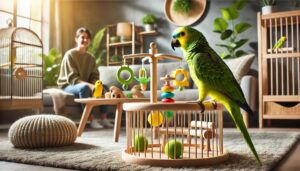
Preparation also includes assessing the home environment. Parrots require spacious cages, safe areas for free flight or exercise, and enrichment toys to maintain mental health. Safety precautions must be taken to prevent accidents, such as keeping toxic plants, chemicals, and small objects out of reach. Proper preparation lays the foundation for a successful adoption and helps minimize stress for the parrot during its transition.
Application Process
Once prepared, the adoption process typically begins with submitting an application to a reputable breeder, rescue, or adoption center. The application usually asks for information about the prospective owner’s living situation, experience with birds, daily routine, and readiness for a long-term commitment. This step helps adoption agencies ensure that the parrot will be placed in a safe and caring home, suitable for its needs.
In addition to the application, adopters may be asked to provide references, home photos, or even participate in an interview. These steps are not meant to be intrusive but rather to ensure the parrot’s welfare. Many adoption organizations also provide questionnaires to assess the potential adopter’s knowledge of parrot care and readiness for handling challenges such as behavioral issues or special dietary requirements.
Meeting the Parrot
After the application is approved, the next step is usually a meeting with the parrot. This step allows both the adopter and the bird to become familiar with each other in a controlled and supervised environment. Meeting the bird in person helps the adopter observe its personality, temperament, and social behaviors. Some parrots may be shy or nervous at first, so patience and gentle interaction are key.
During this stage, the adoption staff often provide guidance on how to interact safely and effectively with the parrot. They may demonstrate handling techniques, feeding routines, and ways to encourage socialization and bonding. Meeting the parrot also helps the adopter confirm that they are compatible with the bird’s personality and needs.
Adoption Agreement
Once the meeting is successful, the adopter signs an adoption agreement. This agreement outlines the responsibilities of the adopter, including providing proper care, veterinary attention, and enrichment activities. Some organizations include clauses to prevent rehoming without notification or returning the parrot to the adoption center if circumstances change. This ensures that the parrot will always have a secure environment and that its welfare is prioritized.
The agreement may also include information on follow-up visits, advice on training, and access to resources for ongoing support. Reputable organizations emphasize education and ongoing assistance to help adopters successfully integrate the parrot into their home.
Preparing for Arrival
Before bringing the parrot home, adopters must prepare the living environment. A spacious cage with perches, toys, and feeding stations should be ready. A consistent schedule for feeding, cleaning, and social interaction helps the bird adjust to its new surroundings. Introductions to other pets or family members should be gradual and supervised to prevent stress or accidents.
The first days at home are critical. Parrots may feel anxious or fearful in a new environment, so maintaining a calm, patient, and structured routine is essential. Observing the bird’s behavior, offering gentle reassurance, and providing familiar foods can help the parrot feel safe and start building trust with its new owner.
Health and Wellness Checks
A thorough health check is essential after adoption. Parrots can carry diseases or develop conditions that require attention. Taking the bird to an avian veterinarian ensures that it is healthy and receives any necessary vaccinations or treatments. Regular veterinary care is a cornerstone of responsible parrot ownership and helps prevent illnesses and behavioral problems.
Adopters should also monitor the parrot’s behavior, eating habits, and droppings to detect early signs of stress or illness. Providing a balanced diet, mental stimulation, and safe enrichment activities supports both physical and psychological health.
Bonding and Socialization
Bonding with a parrot takes time and patience. Parrots are highly social and intelligent, forming strong attachments with their caregivers. Daily interaction, positive reinforcement, and gentle training encourage trust and confidence. Some parrots may require weeks or months to fully acclimate to their new home, while others may adapt quickly. Respecting the bird’s pace and providing consistent care fosters a long-term, loving relationship.
Socialization also includes teaching the parrot acceptable behaviors, such as not biting or screaming excessively. Positive reinforcement techniques, along with mental and physical enrichment, help shape the parrot’s personality and behavior in a healthy way.
Long-Term Commitment
Parrot adoption is a lifelong commitment. Many species live for several decades, requiring ongoing care, attention, and dedication. Owners must be prepared for the responsibilities of long-term pet ownership, including financial costs, emotional involvement, and potential behavioral challenges. The joy of adopting a parrot comes with the reward of companionship, intelligence, and affection, making the commitment worthwhile.
Adopters should stay informed about parrot care, continue providing enrichment, and seek support when needed. Being a responsible parrot owner ensures a happy and healthy life for the bird and a rewarding companionship for the family.
Adopting a parrot is a meaningful way to provide a loving home to a bird in need. From research and preparation to bonding and long-term care, each step requires patience, responsibility, and dedication. By understanding how parrot adoption works and following the proper procedures, adopters can create a secure, nurturing, and enriching environment for their feathered companion. The rewards of parrot adoption are profound: a loyal, intelligent, and affectionate friend who brings joy and color into a household for many years to come.